Choose around the product, not the framework
The Flutter versus native decision is often presented as a debate about technology. For a startup, it is usually a decision about risk: how quickly the team needs to learn from real users, how much platform-specific behaviour the product depends on, and how much engineering capacity will be available after launch.
Flutter can give a small team one Dart codebase for Android and iOS. Native development gives each platform its own first-party toolkit. Both can produce excellent apps; the right choice depends on the product constraints and the team that will maintain it.
When Flutter is the stronger starting point
Flutter is a strong fit when the startup needs a consistent product experience across Android and iOS, wants to validate an idea quickly, or has a small team that cannot afford two separate application codebases. Shared UI and business logic reduce duplicated implementation while the product is still changing quickly.
- The first release needs Android and iOS at roughly the same time
- The product has a custom interface rather than a deeply platform-specific workflow
- The team values one shared codebase and a consistent design system
- A small team needs to ship, measure, and iterate before expanding
- The backend already exposes stable REST APIs, authentication and media services
When native development is the better fit
Native development is often the better choice when the product is built around a platform-specific capability, needs the earliest access to a new operating-system API, or must follow a platform interaction model very closely. It can also be a sensible choice when a company already has established Android and iOS teams with strong native tooling.
- The core value depends on specialised platform APIs or hardware behaviour
- The app is primarily for one platform and has no near-term second-platform plan
- The team already maintains mature native libraries and release pipelines
- The product needs platform-specific UI conventions more than shared UI
- The organisation can support separate specialists for Android and iOS
Compare total delivery cost, not just the first sprint
The first estimate is only one part of the decision. Compare the cost of building, testing, releasing, monitoring and changing the app for the next 12 to 24 months. Two native applications can create more platform-specific QA and maintenance work, while Flutter can introduce its own integration and plugin maintenance considerations.
The most useful estimate includes product discovery, UI implementation, backend integration, automated testing, store release, crash monitoring, accessibility, analytics, security updates and post-launch changes. A cheaper first build is not cheaper if the team cannot safely maintain it.
| Decision area | Flutter | Native |
|---|---|---|
| Initial Android + iOS delivery | Usually one shared implementation path | Two platform implementations or two teams |
| Highly platform-specific features | May need native plugins or platform channels | Direct access to each platform toolkit |
| UI consistency | Shared design system is straightforward | Requires deliberate parity work |
| Long-term maintenance | One main codebase plus platform integrations | Separate platform codebases and release paths |
Architecture matters more than the label
A well-structured Flutter app can be easier to maintain than a rushed native app, and a well-structured native app can outperform a poorly integrated cross-platform app. Framework choice does not replace architecture.
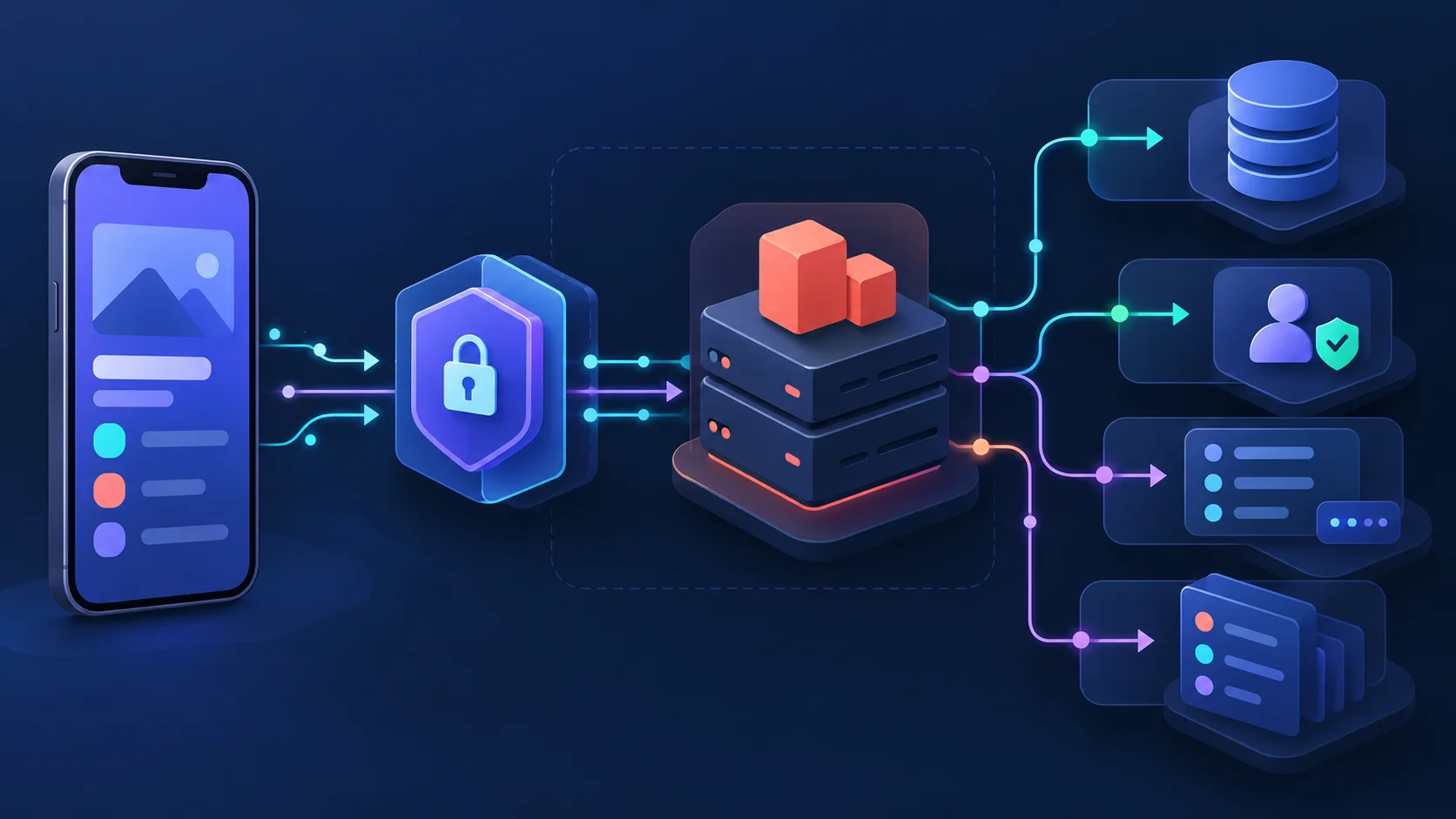
Define the API contract, authentication flow, error states, local caching, analytics events and release environments before the UI becomes large. Keep business rules out of widgets or view controllers, and make the backend versionable so installed clients can continue working while the product evolves.
Presentation  ->  State / ViewModel  ->  Domain  ->  API client
       |                 |                  |
    UI states       testable logic       typed contracts

Backend: versioned API -> authentication -> domain rules -> database
A practical decision framework for founders
Score the product against the questions below before asking a developer for a framework recommendation. The answers create a better brief and make estimates easier to compare.
- Which platforms must be live in the first release?
- Does the product depend on Bluetooth, background execution, advanced camera work, widgets or other specialised APIs?
- How frequently will the product UI and business rules change during validation?
- Who will own the codebase six months after launch?
- Can the team test real devices and release builds on both platforms?
- Which option gives the business a safe path to learn from users sooner?
If the product needs two platforms quickly and its differentiator is mostly in the experience and workflow, Flutter is often a practical default. If the differentiator is a specialised platform capability, native may reduce risk. If the answer is unclear, build a short technical proof of concept around the riskiest feature before committing to a full application.
Do not skip the release and maintenance plan
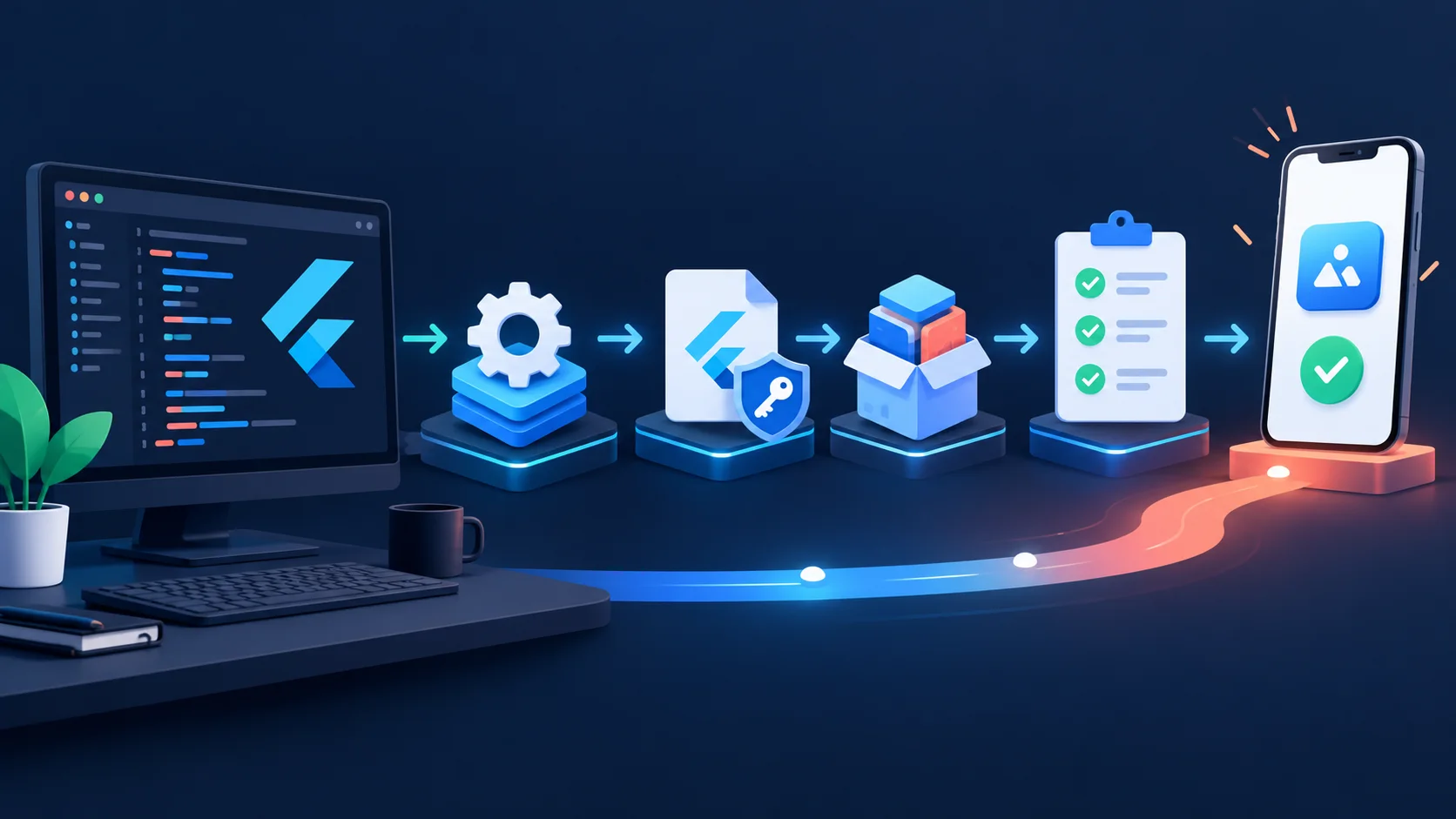
A mobile app is a living product. Store policy changes, operating-system updates, dependency upgrades, certificate rotation, crash fixes and analytics questions all continue after the first release. Ask who will handle those responsibilities before development starts.
- Automated checks for the API contract and critical user flows
- Separate development, staging and production environments
- Crash reporting and release health monitoring
- Secure Android signing and Apple certificates stored outside the repository
- A documented process for dependency and operating-system updates
- A realistic support plan for the first months after launch
The short answer
Choose Flutter when shared delivery speed, consistent UI and a smaller long-term implementation surface are the priority. Choose native when platform-specific capability, first-party APIs or an existing native organisation outweigh the benefits of a shared codebase.
The best startup stack is the one your team can ship, test, observe and maintain. Make that operating reality part of the technical decision from day one.